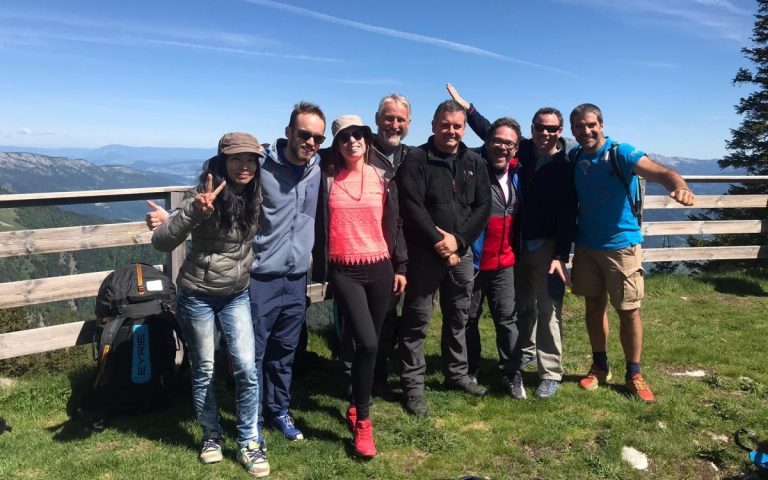
Paragliding is a relatively easy sport to learn at the beginner level. Many people can practice takeoffs and landings under instructor supervision on their first day, and acquiring the skills needed for an initial flight typically takes 3–7 days. However, becoming a confident pilot who can fly solo safely can take several years. Continuously developing weather judgment and risk management skills is also essential. The answer to the question “Is paragliding hard to learn?” depends on your goals. Taking off under instructor supervision is an achievable challenge for many healthy adults, but mastering advanced techniques requires continued effort.
Understanding the Paragliding Learning Curve: From Basics to Mastery
In the early stages, the focus is on developing fundamental control skills rather than performing aerial acrobatics. Ground handling, or controlling the wing on the ground, is an essential part of learning to paraglide. Developing the skills needed to fly in stable airspace typically requires 20–40 hours of practice. Through repetition, wing control becomes second nature, allowing pilots to respond naturally in stable flying conditions. Without sufficient foundational practice, students may develop habits that could become dangerous during future solo flights.
First Day: What You’ll Actually Learn
Beginners experience controlled takeoffs, basic steering techniques, and landings under instructor supervision on gentle slopes. These short flights help develop spatial awareness and teach students how to control their glider during takeoff and landing. Through practical experience, they learn that sudden, jerky movements can destabilize the wing, while smooth, controlled inputs lead to more predictable flight.
The Challenge of Ground Handling
Controlling the wing requires constant awareness of its movements and precise timing. Pilots must read wind patterns and maintain line tension without allowing the wing to rise prematurely. At this stage, the ability to continue practicing consistently plays an important role in long-term progress.
From Student to Independent Pilot
Progressing from beginner paragliding lessons to solo flight requires the ability to assess weather conditions consistently. Becoming confident in thermal flying can take several years. Physical fitness is certainly important, but technical precision, a healthy mental state, and situational awareness are even more important.
Week-by-Week Training Timeline: From Your First Lesson to Certification
Structured training programs follow a progressive curriculum designed to minimize risk while helping students develop their skills efficiently. Obtaining a pilot rating or certification generally requires several dozen logged flights, along with written and practical examinations. Students progress only after demonstrating consistent control and the ability to perform emergency procedures reliably. This systematic approach helps ensure that pilots meet established competency standards before flying independently.
Week 1: Fundamentals and First Flights
Ground school covers equipment handling, the basics of aerodynamics, and fundamental meteorology. Students practice forward launches on gentle slopes before attempting short glides. Flights at this stage focus on maintaining a straight flight path and performing stable landings.
Week 2: Building Confidence and Control
Radio-guided flights introduce students to flight patterns, speed management, and basic air traffic awareness. Pilots learn to read windsocks, adjust their approach speed, and perform figure-eight turns at different altitudes. Instructors monitor radio communications carefully and correct deviations from the intended flight path.
Weeks 3–4: Working Toward Solo Flight and Certification
At this stage, students consolidate their skills and practice assessing weather conditions under instructor supervision. Once they can consistently follow safety procedures, they may attempt their first solo flights. To work toward obtaining a license or rating, students aim to complete the required flight logs and pass practical assessments.
Physical and Mental Requirements: Do You Have What It Takes?
Physical requirements involve more than general fitness. Functional mobility, comprehension, and reflexes are also important. Pilots need enough stamina to run a short distance during takeoff and carry equipment weighing approximately 15 kg. The real challenge lies in making calm decisions as atmospheric conditions change. Both physical preparation and mental discipline are essential for progressing successfully through training.
Physical Fitness: Less Than You Might Think
Paragliders are primarily controlled using brake lines and weight shifting, so core stability and leg endurance are more important than upper-body strength. Many healthy adults can participate in beginner courses without exceptional athletic ability. Maintaining a regular exercise routine can help prepare students for takeoff runs and walks to launch sites.
Mental Preparation and Decision-Making
Risk management requires the ability to recognize signs of deteriorating weather and cancel a flight without hesitation. Skilled pilots consistently prioritize safety and conservative decisions over testing their personal limits. This disciplined approach contributes significantly to accident prevention, beyond what any individual piloting technique can achieve.
Age, Health, and Accessibility
Training programs generally accept participants aged 14 and older, without a strict upper age limit. However, additional caution may be necessary for people over 60. Individuals with certain cardiovascular conditions may also need medical clearance. The main factors influencing long-term progress are not simply age, but reflexes, comprehension, the modesty to listen to others, and consistent practice.
Safety Statistics, Risk Factors, and How Training Reduces Risk
Data on accident rates indicates that structured training can significantly reduce accident risks for beginners. Some data suggests that the risk of injury among beginners decreases by approximately 70% after completing 50 supervised flights. Many accidents are caused not only by poor weather decisions but also by inappropriate equipment choices. This highlights the importance of following proper training procedures, supported by humility, comprehension, and a willingness to accept advice from others.
What the Data Actually Shows
Statistical analyses indicate that people without training face substantially greater risks than those who receive proper instruction while working toward certification. Professional instruction helps reduce mistakes by teaching systematic pre-flight checks and standardized takeoff procedures. These foundational habits help improve safety throughout a pilot’s flying career.
Why Proper Instruction Matters
Certified instructors provide real-time feedback, accelerating skill development while preventing dangerous habits from forming. Students learn to recognize subtle warning signs, such as wind shear and unstable thermal activity. Correcting mistakes early during training helps prevent minor errors from developing into serious accidents.
Building Confidence Through Advanced Safety Training
SIV training teaches pilots how to respond to wing collapses and recoveries in a controlled environment, helping them develop essential emergency-handling skills. Participants practice active piloting techniques to stabilize an unstable wing before the situation develops into a severe spiral.
SIV training also helps pilots learn how to fly modern gliders effectively. By confronting their own mental responses during training, participants can better understand their strengths and weaknesses and use that understanding to improve their performance. The ability to understand and apply the correct response during an emergency is one of the factors that distinguishes a safety-conscious pilot from someone who becomes involved in an accident. Maintaining mental stability in any situation is also extremely important.
Are you ready to improve your confidence, performance, and emergency-handling skills?
Airlinks Academy’s SIV Training program teaches wing-collapse recovery techniques and provides practical safety training to help you respond calmly to unexpected situations. You can also develop your skills through modern flying techniques and mental training, improving both the safety and performance of your flights.
We also provide advanced cross-country (XC) techniques and training for high-level competition skills.
Learn more about SIV Training: https://www.airlinksacademy.com/siv/
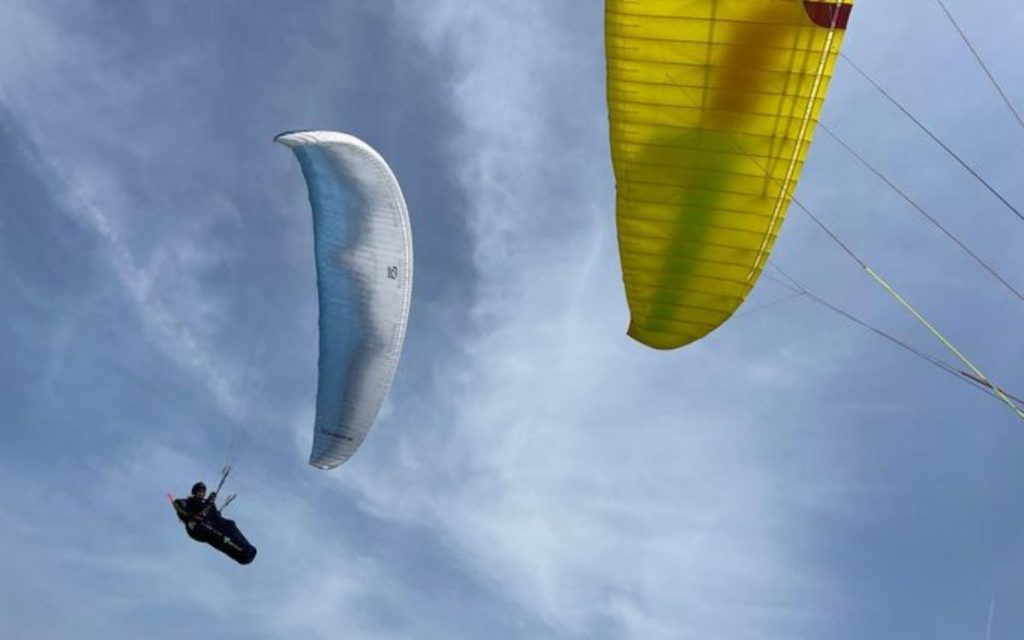
Top 10 Beginner Mistakes and How to Avoid Them
Common mistakes include rushing through foundational training and overlooking subtle changes in the environment. Many beginners try to progress to solo flights before mastering ground handling, which can result in poorly controlled takeoffs. Recognizing these tendencies early helps students learn the correct techniques more quickly, without allowing bad habits to become established. Developing skills progressively supports steady progress toward independent flying.
Technical Mistakes That Can Lead to Accidents
Incorrect harness setup and improper reserve parachute packing create unnecessary risks during flight. Neglecting pre-flight line checks can also lead to tangled risers or asymmetric wing inflation. Consistently following a standardized checklist helps prevent avoidable equipment-related problems from compromising safety. Making these checks part of a routine is essential.
Judgment Errors and Overconfidence
After several successful flights, overconfidence can develop, tempting pilots to fly in weather conditions close to their limits. Pilots may underestimate wind speeds near the ground or mistake cloud formations for signs of safe thermal activity. Until they have developed sufficient weather-analysis skills and an understanding of the terrain, it is important to make conservative decisions and stay within their personal limits.
How Instructors Help You Avoid These Mistakes
Structured feedback helps identify recurring technical problems and judgment biases so they can be corrected before they lead to accidents. Instructors establish clear progression criteria that prioritize safety margins over rapid advancement. This approach allows students to build new skills on verified abilities rather than relying on techniques they have not yet mastered.
Certification, Licensing, and Regional Regulations FAQ
Licensing requirements vary considerably between countries and regions. Some areas require formal government authorization, while others primarily rely on voluntary industry standards. Many commercial operators require valid pilot ratings and adequate third-party liability insurance before allowing access to flying sites. Understanding local regulations helps pilots avoid legal complications and plan flights in other countries more effectively.
United States: The USHPA Rating System
The United States Hang Gliding and Paragliding Association (USHPA) administers a progressive rating system ranging from P1 to P5. Beginners start with supervised flights and progress toward P2 after completing 25 logged flights and passing practical assessments. Although these ratings are voluntary, they are important for accessing many established flying sites across the United States.
United Kingdom: The BHPA Certification Pathway
The British Hang Gliding and Paragliding Association (BHPA) requires pilots to complete structured ground school before attempting their initial flights. Obtaining a Club Pilot rating requires demonstrated knowledge of meteorology and emergency procedures, together with documented flight experience. This comprehensive system helps maintain consistent training standards across affiliated flying clubs.
Europe and International Regulations
Regulations across European countries may require formal government licensing in addition to equipment certification under EN or LTF standards. In countries such as France and Germany, pilots may need to pass rigorous theoretical and practical examinations before receiving permission to fly independently. Even when qualifications are widely recognized internationally, certification systems differ between countries. Always check the local requirements before flying at a destination abroad.
Frequently Asked Questions
How long does it take to learn paragliding?
Basic supervised training typically takes around five days or longer, covering ground handling and short glides. However, developing reliable weather judgment and the ability to fly independently and safely may require several years of flying experience. Mastering thermal flying can also take several years of consistent practice. The actual timeline depends on training frequency and individual ability.
Do you need to be fit to paraglide?
You do not need exceptional physical fitness to participate in a standard beginner training program. However, you should be able to run a short distance during takeoff and carry equipment weighing approximately 15 kg. Core stability and leg endurance are more important than upper-body strength. Many healthy adults can meet these basic requirements without specialized athletic training.
Is paragliding dangerous for beginners?
Available statistical data suggests that professional instruction can substantially reduce accident frequency compared with attempting to fly without training. Approximately 70% of beginner accidents are reported to be associated with poor weather decisions or insufficient ground-handling practice. Structured training emphasizes pre-flight checks and careful weather assessment. Following a recognized training pathway and developing good safety habits are important ways to manage risk while learning to fly.
Can anyone learn to paraglide?
Training programs generally accept participants aged 14 and older, without a strict upper age limit. However, people over 60 and those with pre-existing medical conditions should exercise additional caution. A fear of heights is not necessarily a barrier to learning. Paragliding often involves smooth, stable gliding rather than the sensation of a sudden drop. More important than natural athletic ability is a willingness to follow structured instruction. Consistent practice and disciplined decision-making contribute to long-term progress and safety.
Do you need a license to paraglide?
Legal requirements depend on local aviation authorities and land-management regulations. In the United States, USHPA ratings are voluntary but important for accessing many flying sites and obtaining insurance. In many European countries, formal government licensing or standardized equipment certification may be required. Always verify local regulations before flying to avoid problems such as entering unauthorized airspace.
Summary
Learning the fundamentals of paragliding requires patience, comprehension, structured practice, and a consistent commitment to safety procedures. Although initial supervised flights are an achievable challenge for many healthy adults, becoming confident enough to fly independently requires ongoing development of weather-analysis skills. Professional instruction helps establish safety habits that protect both pilots and the people around them. Investing in quality training is an important step toward safer flying, allowing you to build on verified skills rather than relying on techniques you have not yet mastered.